
Kelsey Parker has welcomed a new baby and revealed the child’s name as River.
The podcaster shared the happy update on Instagram, offering followers their first glimpse of the newborn. Her photograph showed a tiny arm beside a pink sign carrying the name River.
Kelsey Parker gives birth
Kelsey captioned the post: “Welcome to the world, River. Our little bit of hope.”
The arrival follows Kelsey’s announcement that she was expecting a “rainbow baby” in June. She and partner Will Lindsay had lost their son Phoenix more than a year earlier.
Kelsey said Phoenix had been born sleeping, making this latest chapter especially emotional. She linked her subsequent pregnancy to both Phoenix and her late husband, Tom Parker.
Tom, a member of The Wanted, died in March 2022. River joins Kelsey’s two older children with the singer.
River is Kelsey’s child with Will, who was also Phoenix’s father. The couple had endured a devastating experience following their son’s death.
Kelsey previously described the new pregnancy as a source of hope after heartbreak. She believed Tom and Phoenix had sent the family another gift.
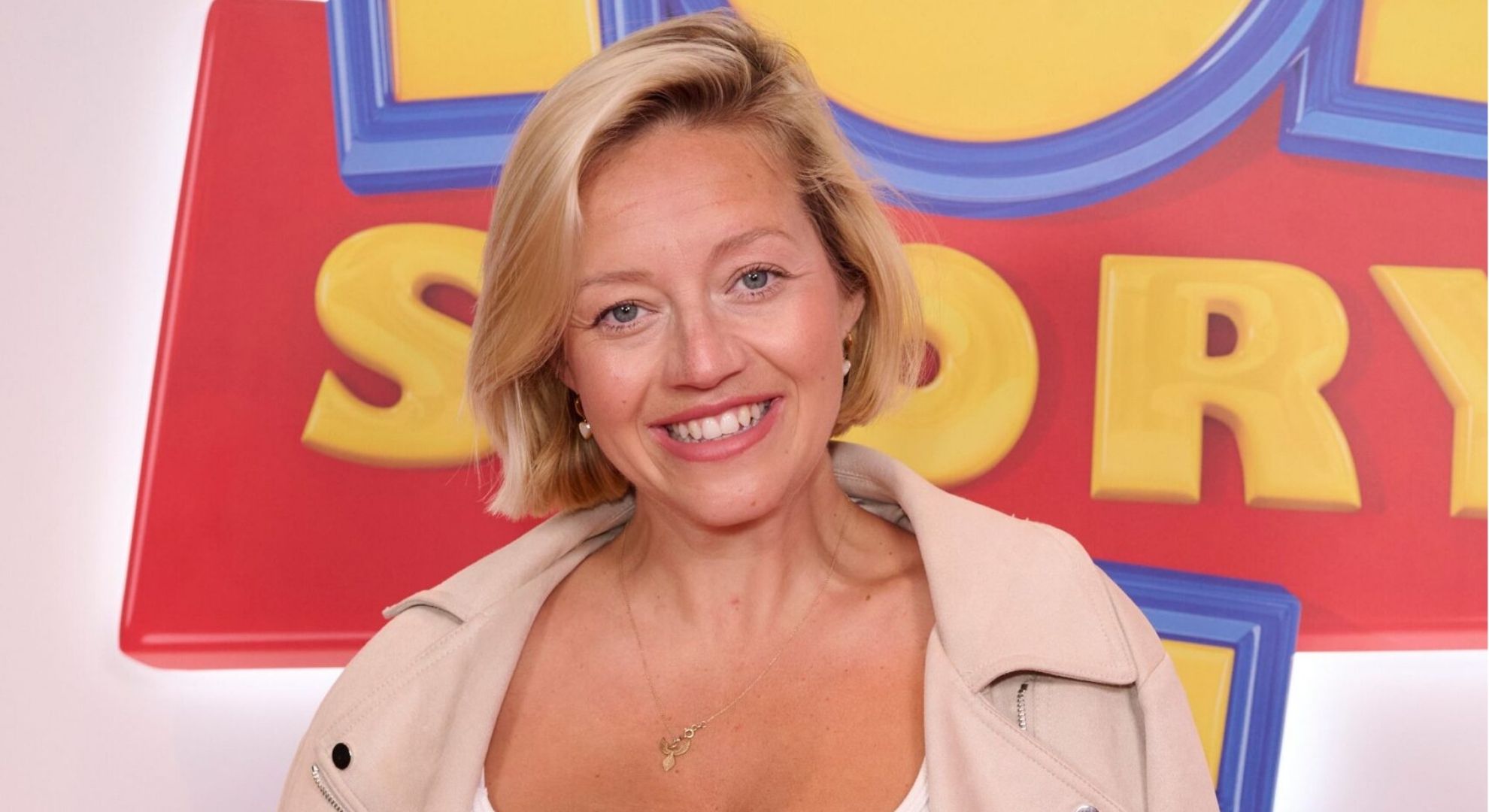
Kelsey has given birth (Credit: Ken McKay/ITV/Shutterstock)
Followers congratulate Kelsey Parker following birth of baby River
Kelsey, 36, quickly received messages from her followers after sharing the news.
Good Morning Britain presenter Susanna Reid wrote: “Oh my goodness – this is so wonderful – welcome River.”
“Oh @being_kelsey I think the whole world just got even happier for you and your beautiful little family. Beautiful name absolutely delighted for you all xxxxx,” another follower said.
“Congratulations, never been so happy for complete strangers. Wishing you all the happiness in the world xxx,” a third gushed.
“I am SO happy for you xxxx,” another added.
Support authors and subscribe to content
This is premium stuff. Subscribe to read the entire article.