
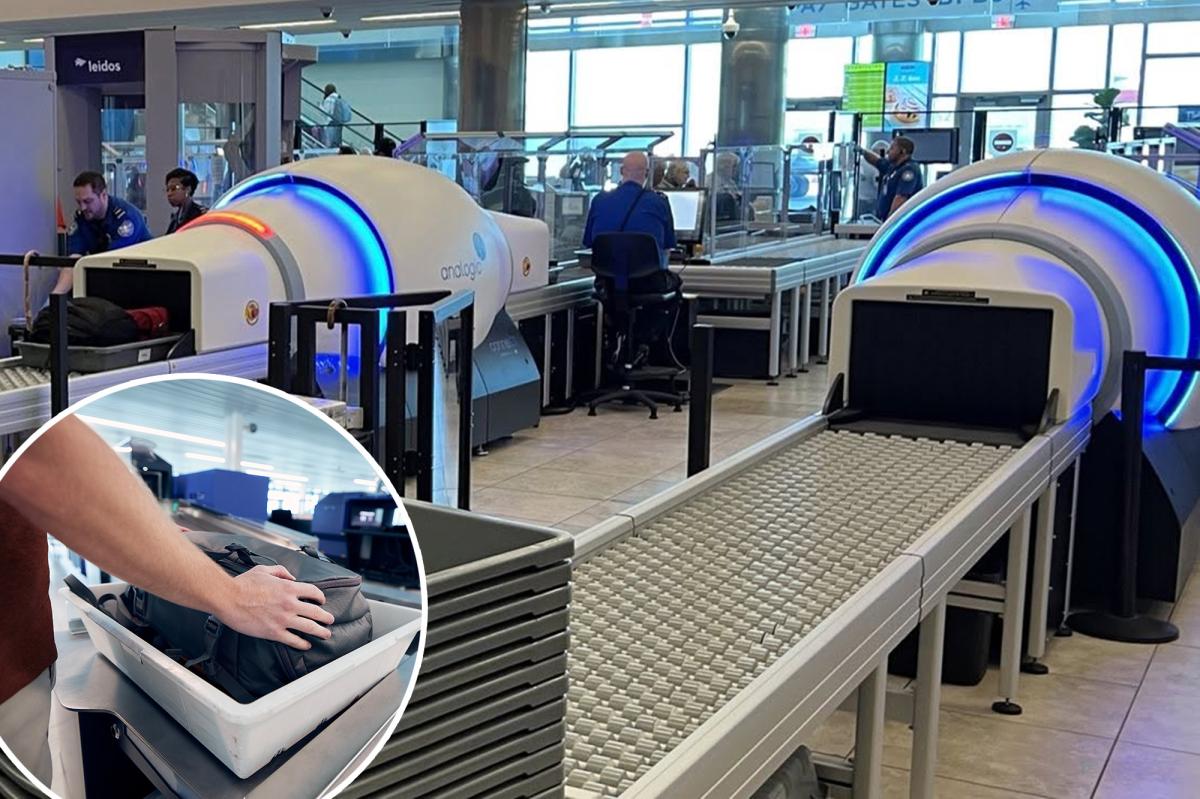
Skipping the stress of baggage claim at the airport by using all carry-ons may no longer be possible.
Though the roll-out of the Transportation Security Administration’s new security scanners is intended to offer flyers more thorough screening capabilities and an easier time passing through security checkpoints, it may pose a snag when it comes to taking carry-ons on the plane — as they may not fit through the new devices.
The 3-D, X-ray computerized tomography (CT) scanners may be elite machines, but Daniel Velez, a TSA spokesperson, shared that their under-an-inch smaller opening does not let larger items pass through as easily as the former scanners did — though he said that the design is “necessary” so that the new tech can accommodate the advanced imaging technology and guarantee optimal performance.
Support authors and subscribe to content
This is premium stuff. Subscribe to read the entire article.