
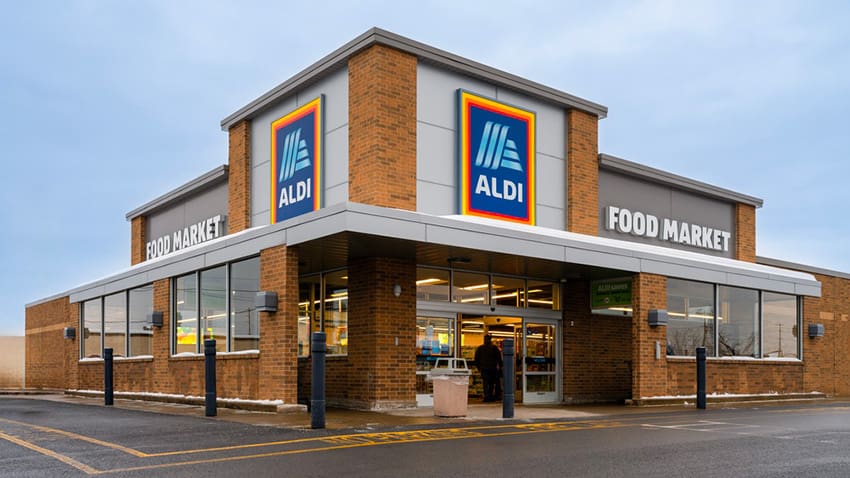
Aldi has been accused of desperation by senior retail figures after its UK chief executive attacked rival supermarkets’ loyalty schemes, just as industry data showed the discounter’s sales growth slowing sharply behind its competitors.
Giles Hurley, the chief executive of Aldi UK, used a piece in the Daily Mail last week to back the Government’s investigation into supermarket pricing, arguing that loyalty schemes offer shoppers a “false sense of value”. Shoppers, he said, were being bombarded with discounts that could make them believe they were getting a bargain when a rival supermarket was still cheaper.
“Taking £2 off a £6 product doesn’t make it good value if you can buy it for £3 somewhere else,” Hurley said.
The intervention went down badly across the industry. One senior retail adviser said Aldi was “completely talking their own book” by wading into the row over supermarket pricing, which is under investigation by the UK competition watchdog. “It was opportunistic, and in a way, perhaps a little bit desperate,” they said.
Support authors and subscribe to content
This is premium stuff. Subscribe to read the entire article.