
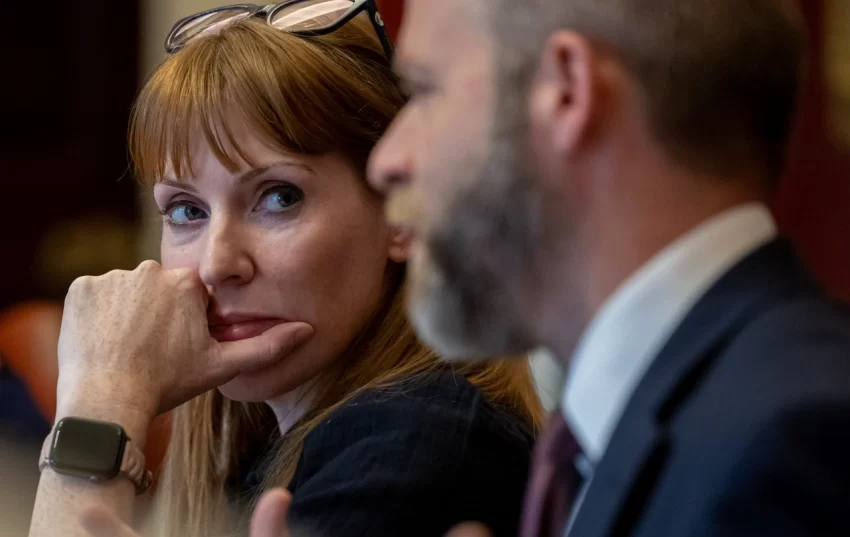
Property developers will have to prove there is no reasonable prospect of a pub surviving before it can be turned into flats or offices, under changes to the National Planning Policy Framework announced by Housing Secretary Angela Rayner, but industry figures have warned the new protections will not stop pubs closing.
At least 1,836 pubs have closed since the start of 2025, according to figures from the Campaign for Real Ale (Camra).
Experts from the construction and hospitality sectors said the reforms would not prevent pub closures in the first place, pointing to rising taxes, alcohol duty and higher wage costs.
Allen Simpson, chief executive of trade body UKHospitality, said the Government would need to go further to reverse the effect of decisions taken by Rachel Reeves, the former chancellor.
He said: “There has been an increase in the closure of hospitality businesses across the board over the last two years because of this Government’s actions.
Support authors and subscribe to content
This is premium stuff. Subscribe to read the entire article.
Login if you have purchased