
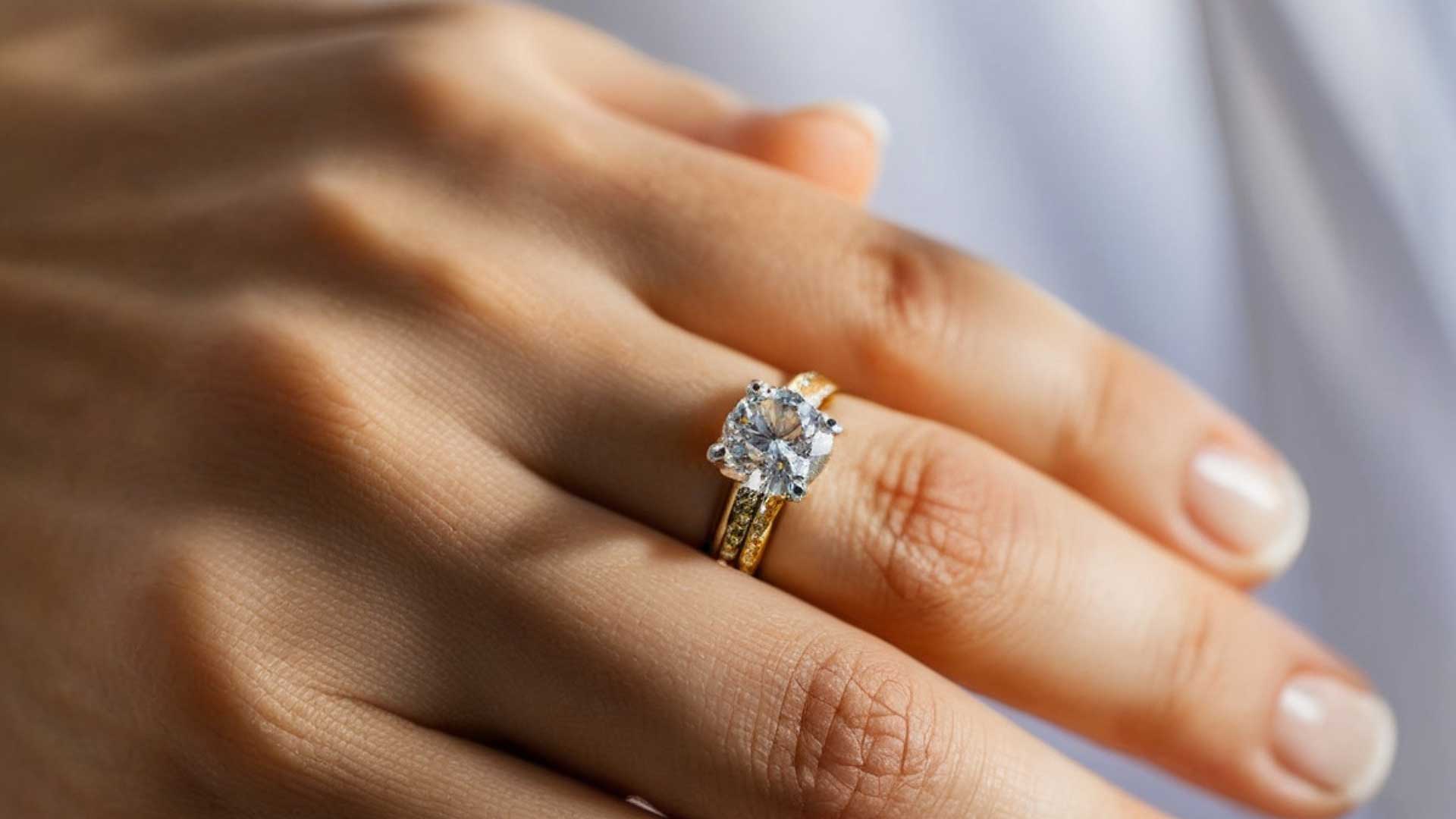
A diamond’s weight is usually the first thing people ask about. One carat, two carats, five carats: the numbers are easy to understand and immediately suggest scale. Yet for anyone buying, owning or assessing an important stone, carat weight tells only part of the story.
A two-carat diamond can be considerably rarer than another two-carat diamond. A three-carat stone may be less exceptional than a smaller diamond with an unusual colour or an exceptionally uncommon combination of characteristics. At the highest end of the market, rarity is not measured simply by size. It is measured by how difficult a stone is to find again.
“Size is one of the most visible characteristics of a diamond, but it is not the same thing as rarity,” says Dov Alter, founder and CEO of Auctentic, a European company specialising in diamonds, coloured gemstones, jewellery and high-end watches. “A large stone can still be relatively commercial, while a smaller natural diamond with unusual characteristics may be much harder to replace. The question is not simply how big the diamond is, but how many comparable stones actually exist.”
Support authors and subscribe to content
This is premium stuff. Subscribe to read the entire article.