
Reform UK’s tax pledges could cost the Treasury billions of pounds in lost revenue and it remains unclear how they would be paid for, according to audit, tax and business advisory firm Blick Rothenberg.
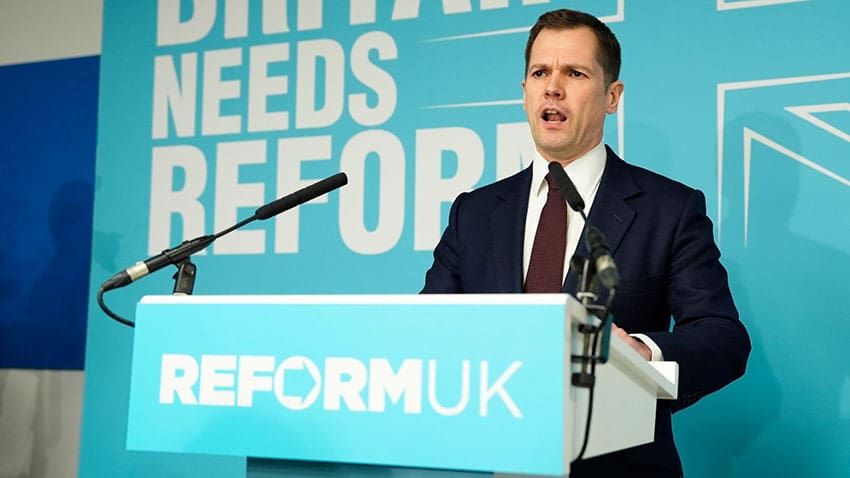
Tom Goddard, an assistant manager at the firm, said Robert Jenrick, Reform UK’s shadow chancellor, had pledged to scrap tax on overtime payments, cut national insurance for businesses that “hire British workers”, lower the rate of VAT for self-employed individuals, and give every taxpayer a £30 tax credit if they are kept on the phone to HMRC for more than 30 minutes.
“However, there is little detail on how these measures would work, how much they would cost to be implemented, and how the resulting loss in tax revenue would be offset,” he said. “Although Reform UK has suggested welfare spending cuts could fund these measures in part, detailed fiscal analysis of both costs and savings would be needed to actually assess if this is feasible.”
The overtime pledge builds on a policy Nigel Farage set out in May, when the Reform UK leader promised to lift income tax from overtime pay for workers earning under £75,000 at a stated cost of around £5bn a year.
Goddard said the three headline measures would each strike at one of the UK’s largest sources of revenue. “Scrapping income tax on overtime, lowering national insurance contributions, and decreasing VAT would impact each of the UK’s ‘big three’ tax generators,” he said. “Consecutive governments have ruled out making changes to these three taxes as they constitute too large a portion of the country’s revenue, around 75% for the period from August 2025 to July 2026. Lowering the rates of the big three, even if only under specific circumstances, could cost the country billions in tax revenue which would need to be accounted for elsewhere.”
Support authors and subscribe to content
This is premium stuff. Subscribe to read the entire article.