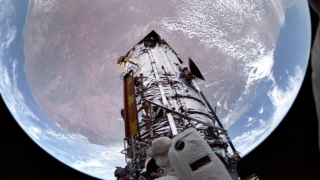
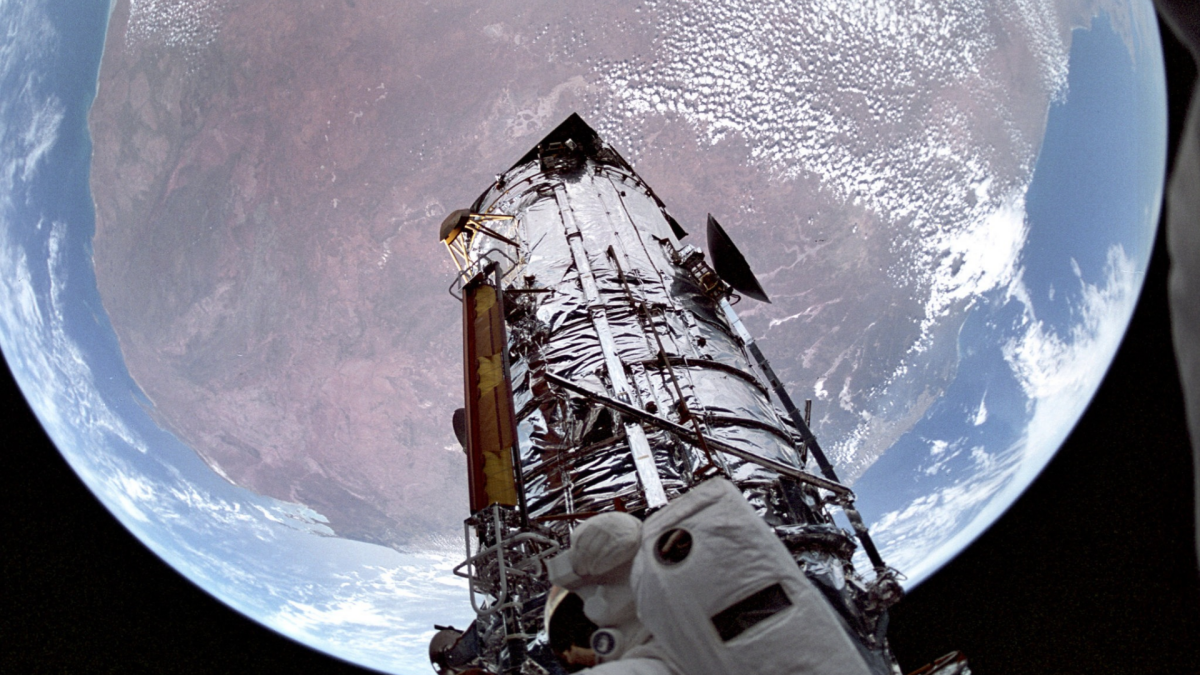
Sad news for space aficionados: the famous Hubble Space Telescope, responsible for some of the most jaw-dropping images of our solar system taken more than three decades since its launch into low-Earth orbit in 1990, is on a slow path towards a fiery fate. At its present rate of altitude loss, NASA’s most famous telescope is expected to re-enter Earth’s atmosphere sometime in 2033 or 2034, at which point it will come crashing down like a comet, according to Space.com, possibly endangering human life on its descent
It doesn’t have to be that way, though. If NASA had more room in its budget, it could repeat its 2002 Space Shuttle Columbia mission STS-109 and give the aging telescope a nudge into a higher orbit, extending its lifespan. In desperation, NASA has put out a Request for Information (RFI) to the fast-growing commercial space sector, hoping for aid to either boost Hubble’s altitude and extend its lifespan or else guide its descent to a safe crash site, such as the middle of the ocean.
According to the RFI, a successful orbital boost would require an ascent of more than 370 miles (600 kilometers), which is a significant increase in elevation and an astonishingly difficult challenge from a purely technical perspective.
Mashable Light Speed
Support authors and subscribe to content
This is premium stuff. Subscribe to read the entire article.