
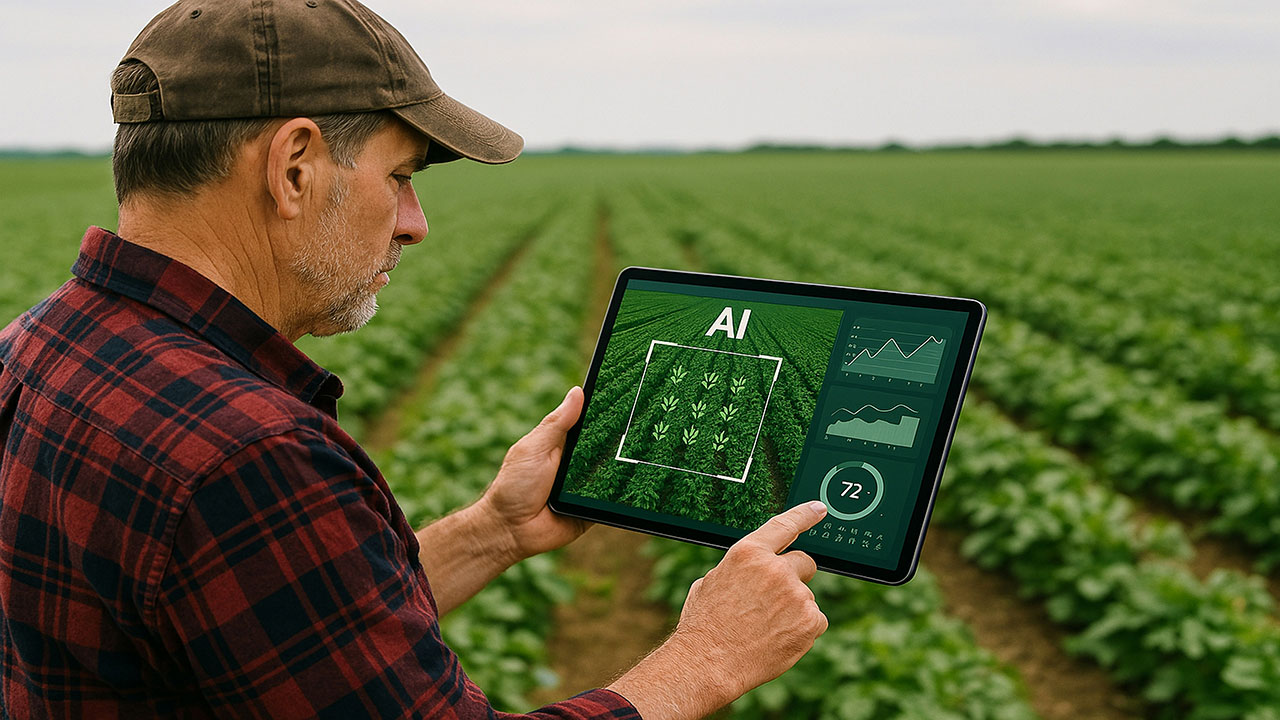
Philippine agriculture must shift from a traditionally reactive approach to a science-based and predictive one by adopting technology, as increasingly extreme weather conditions hurt production and threaten livelihoods, particularly in Mindanao, according to the Department of Science and Technology (DoST) on Friday.
During the third day of the 2026 National Science and Technology Week (NSTW) in General Santos City, Julius Caesar V. Sicat, regional director of DoST-Central Luzon and program leader of DoST Smart Agriculture, emphasized the importance of agriculture to Mindanao’s economy and livelihoods.
He said SOCCSKSARGEN alone generated P127 billion in agricultural and fisheries production value in 2025, citing figures from the Philippine Statistics Authority (PSA). Of the region’s 2.06 million employed persons in the same year, around 812,000, or 39.4%, worked in the agricultural sector, PSA data also showed.
However, the sector faces increasing threats from extreme weather conditions, including the prevailing very strong El Niño, which is affecting crop production, livestock, aquaculture and fisheries. This makes science-based and predictive agriculture more important than ever.
Support authors and subscribe to content
This is premium stuff. Subscribe to read the entire article.