
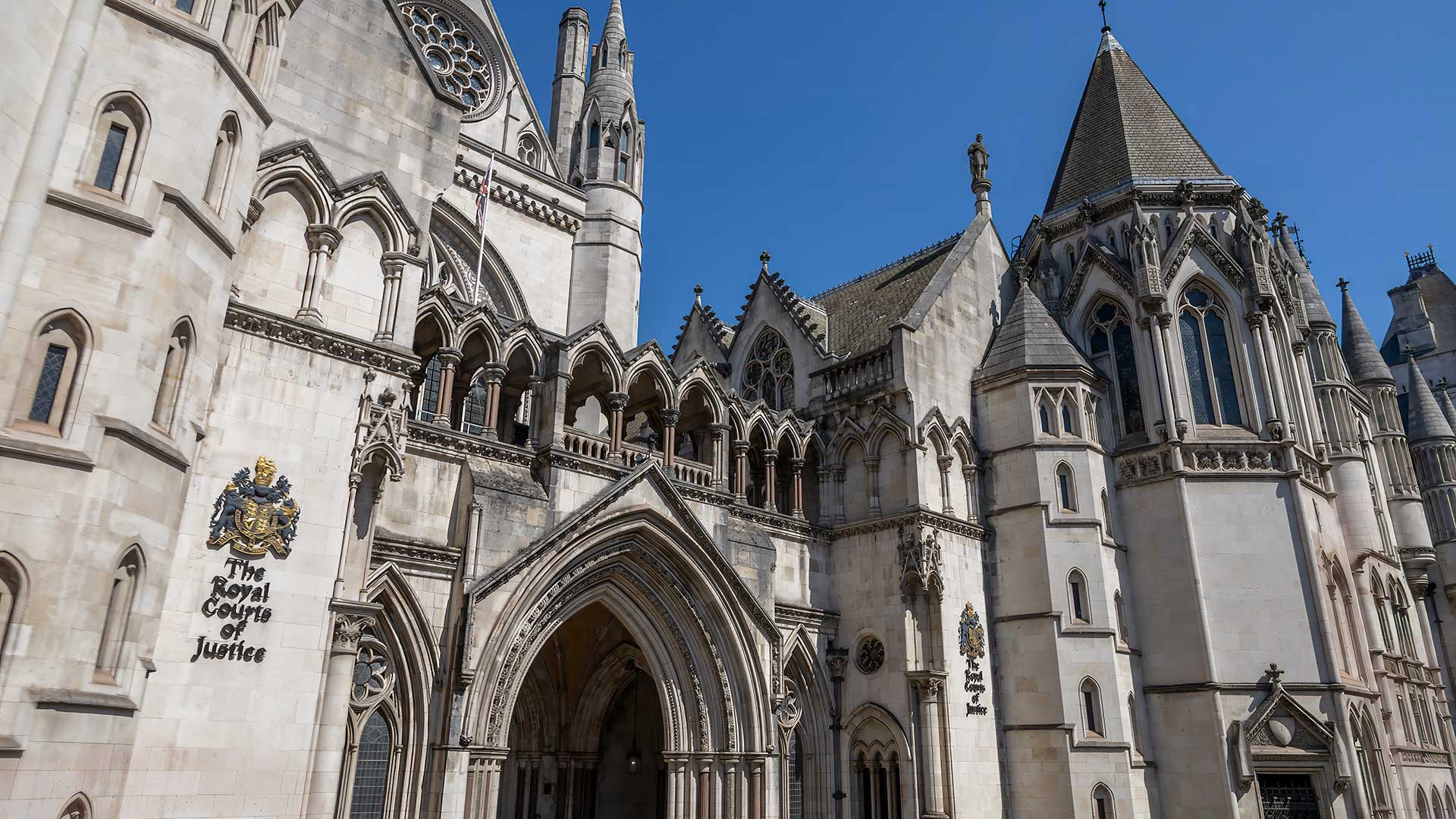
What it rarely explains is how likely the case is to succeed, what happens to your money if it fails, or what “winning” would actually mean.
Crowdfunded litigation is now routine in British public life. A Modern Law Review study of 413 judicial-review campaigns found that crowdfunding has opened the courts to groups pursuing litigation as part of wider political campaigns. That can be valuable. Judicial review is expensive and unsuccessful claimants may have to pay the government’s costs as well as their own. For many ordinary citizens, crowdfunding is the only practical way to challenge the state.
Yet the same study points to a problem. Donors may give for political or emotional reasons, without understanding a case’s legal merits, prospects or likely impact. Judicial reviews are often narrow and technical, and many never reach a full hearing. The result is a gap between what donors hope to achieve and what the courts can deliver.
Support authors and subscribe to content
This is premium stuff. Subscribe to read the entire article.