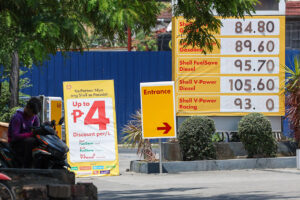


Britain’s private sector workforce is staring down its sharpest squeeze on real take-home pay since the cost-of-living crisis of 2022, as a fresh burst of oil-driven inflation outpaces a visibly slowing rate of earnings growth.
Figures released by the Office for National Statistics this week show that average weekly earnings excluding bonuses rose by 3.4 per cent in the three months to March, exactly matching the average rate of inflation over the quarter. Including bonuses, the figure climbed to 4.1 per cent, although that headline number was almost certainly flattered by outsized payouts in the City’s financial services sector.
For the rank-and-file employee outside the public payroll, the picture looks considerably bleaker. Real incomes are on course to flatline through 2026, with the surge in global crude prices expected to drag annual CPI back up towards 4 per cent in the coming months. With unemployment now at 5 per cent and youth joblessness at an 11-year high, the bargaining power that working households briefly enjoyed during the post-pandemic labour shortage has all but evaporated.
“There is potential for a sharp squeeze in real wage growth in 2026,” said Peter Dixon, senior economist at the National Institute of Economic and Social Research.
A broad-based slowdown
Wage growth has weakened across nearly every sector of the economy, with construction wages actually contracting outright by 0.6 per cent between January and March. Builders have been hit on three sides at once, energy, transport and raw materials, since the US-Iran conflict triggered a fresh spike in oil and shipping costs.
Support authors and subscribe to content
This is premium stuff. Subscribe to read the entire article.