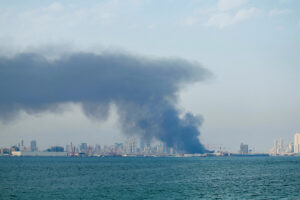
Thousands of British expatriates fleeing the escalating conflict in the Middle East are urging the UK government to clarify whether they could face unexpected tax bills after returning to Britain earlier than planned.
Tax specialists warn that some of the roughly 160,000 British nationals living across the region, including many based in Dubai, may inadvertently breach the UK’s tax residency rules if their emergency return pushes them over the 183-day threshold spent in the country during the current financial year.
The UK tax year ends on April 5, meaning the timing of the crisis could have significant financial consequences for expatriates who were already close to the residency limit before the conflict intensified.
Under the UK’s statutory residence test, individuals who spend 183 days or more in Britain within a tax year are generally considered UK tax residents. If that threshold is crossed, global income, including earnings generated overseas, may become liable for UK taxation.
For many British expatriates who relocated to the United Arab Emirates specifically to benefit from its largely tax-free regime, such a change in residency status could create a substantial and unexpected tax liability.
Support authors and subscribe to content
This is premium stuff. Subscribe to read the entire article.