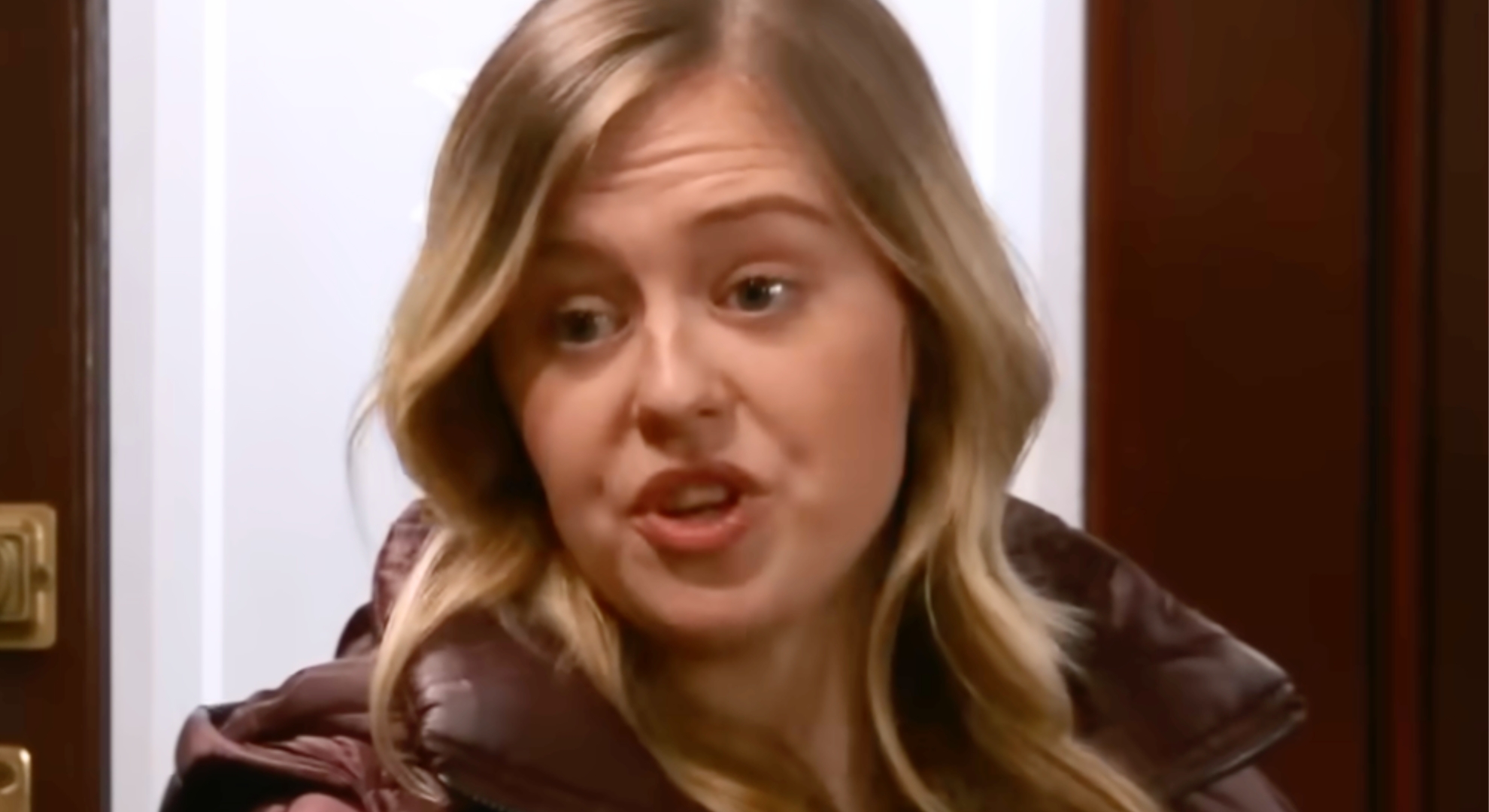
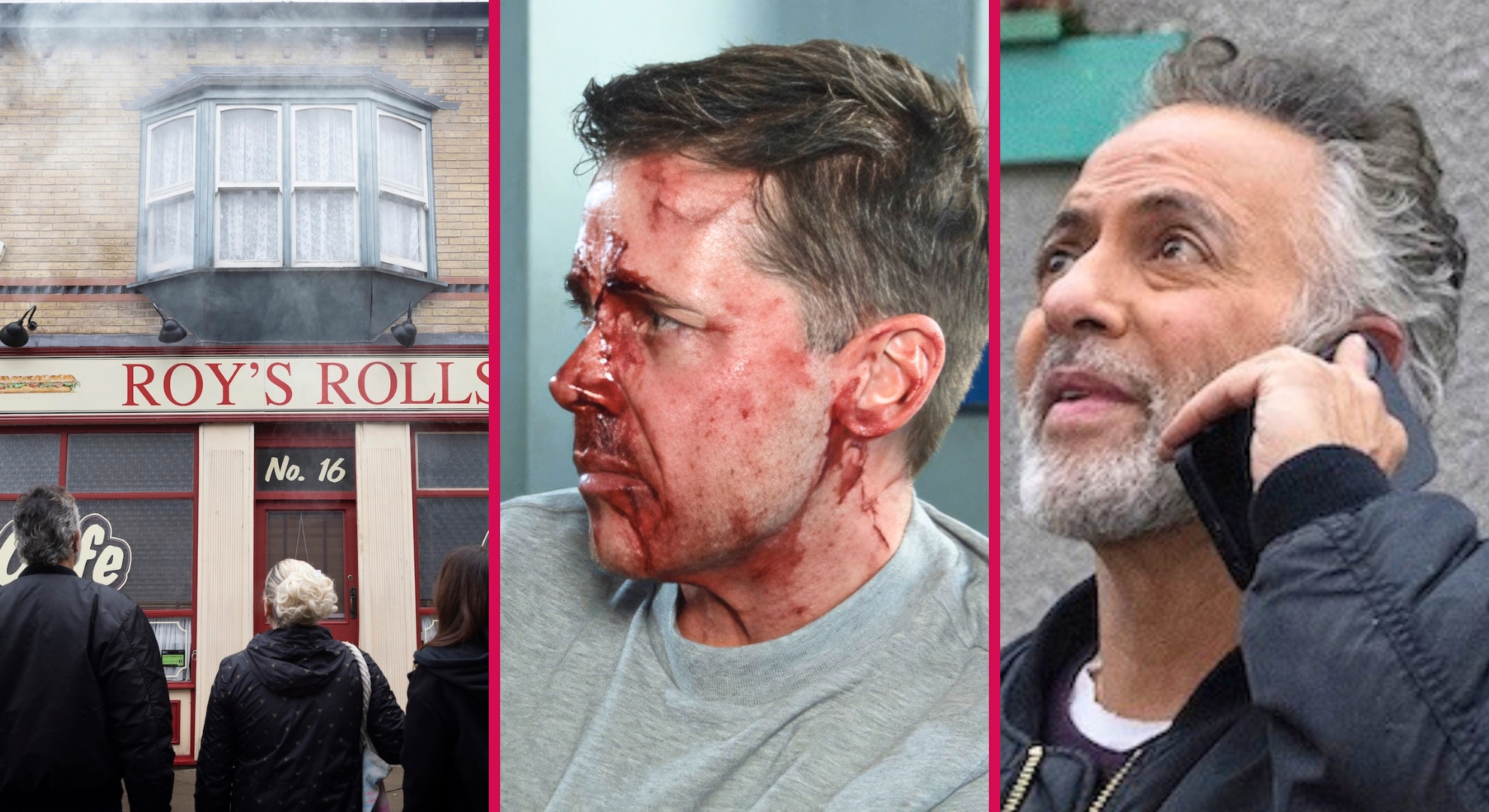
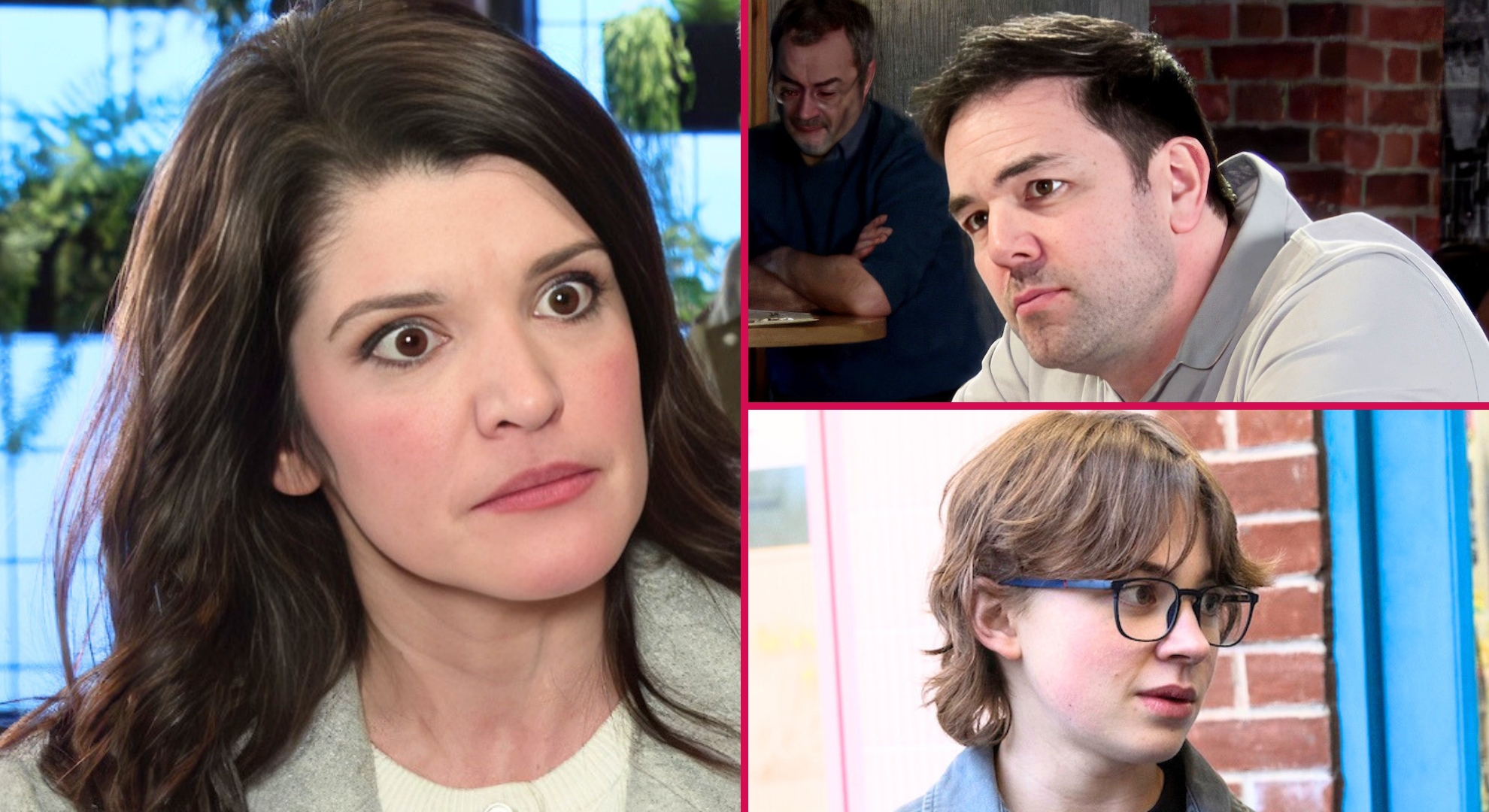
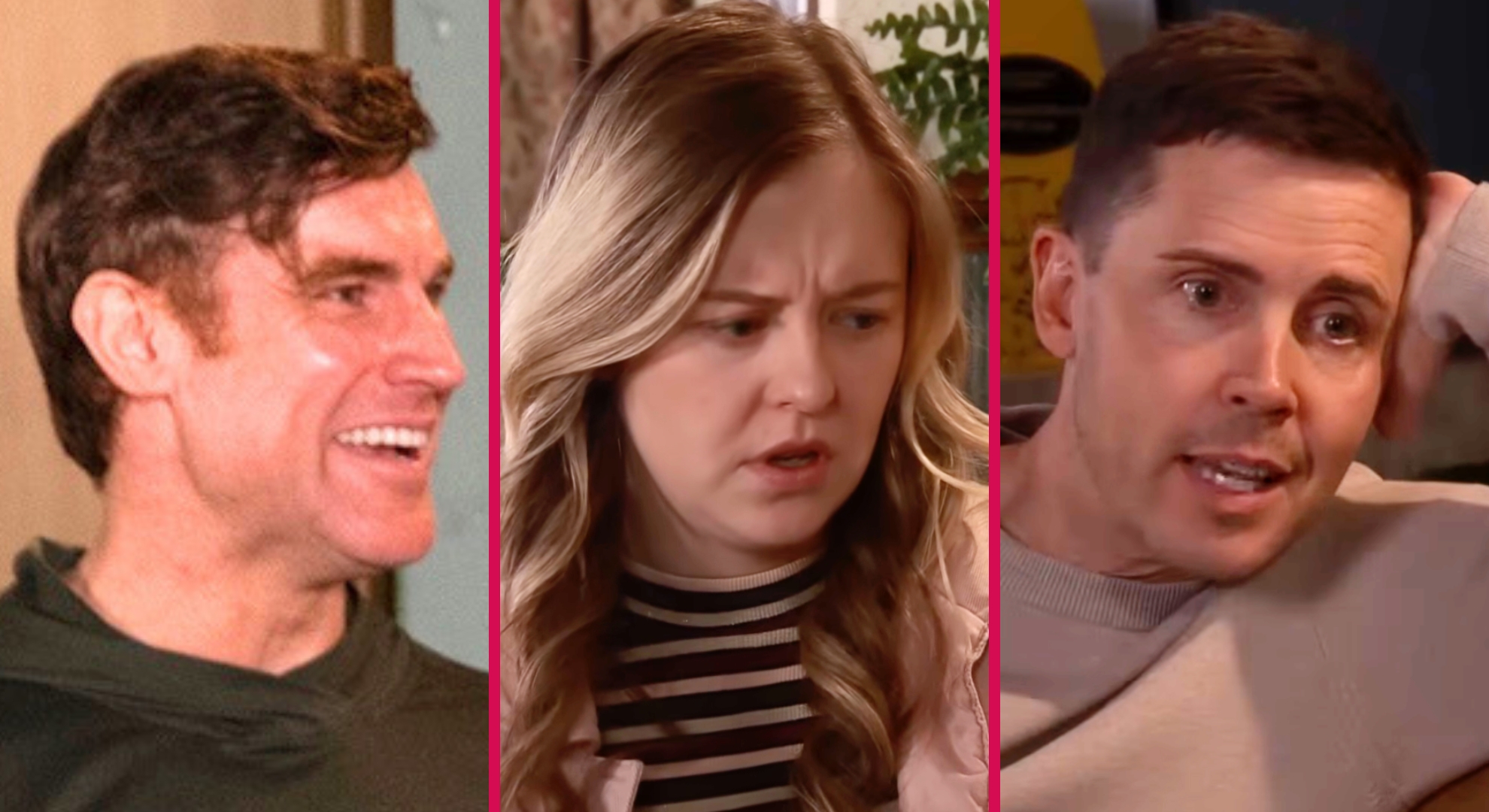
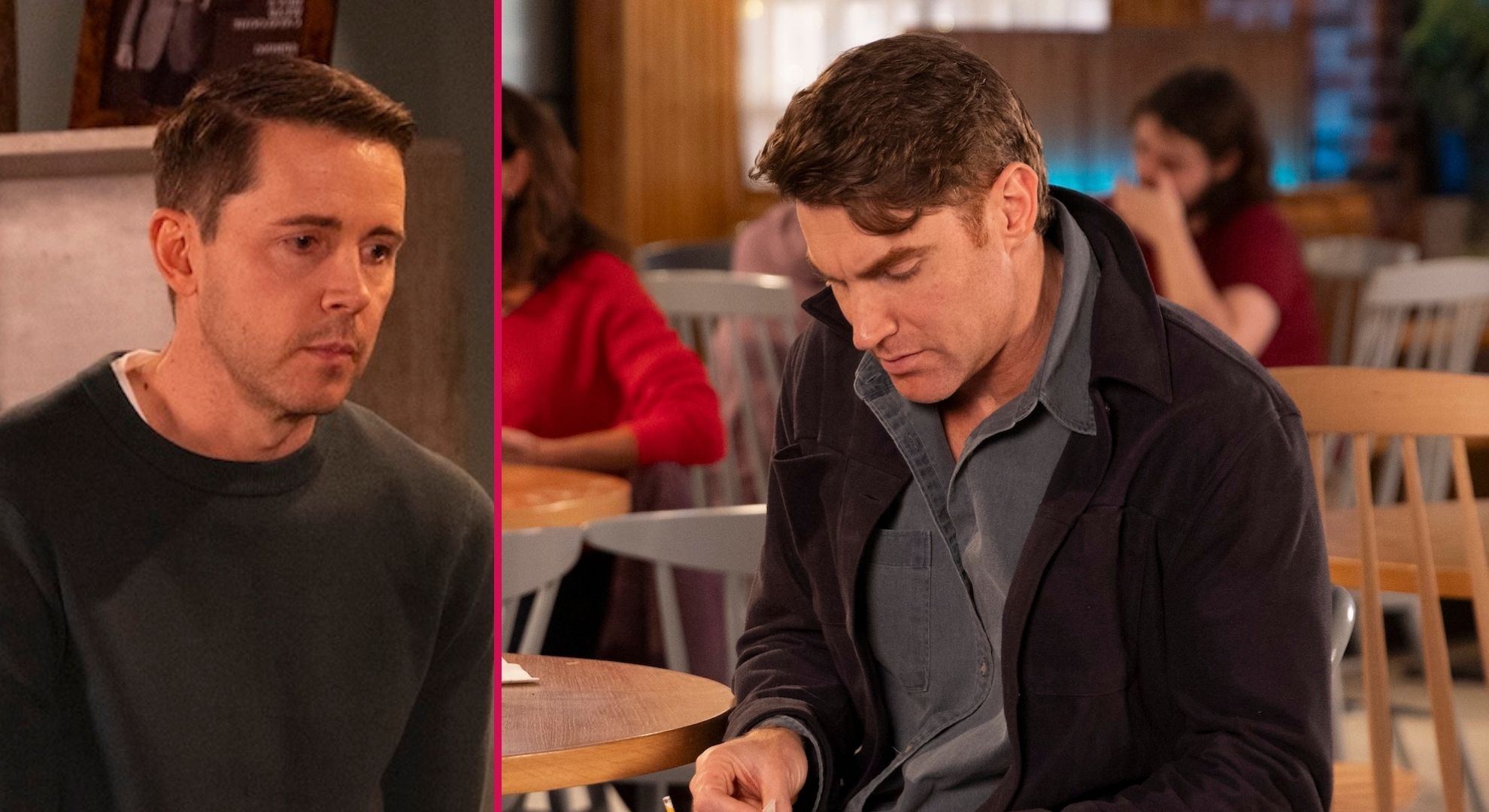
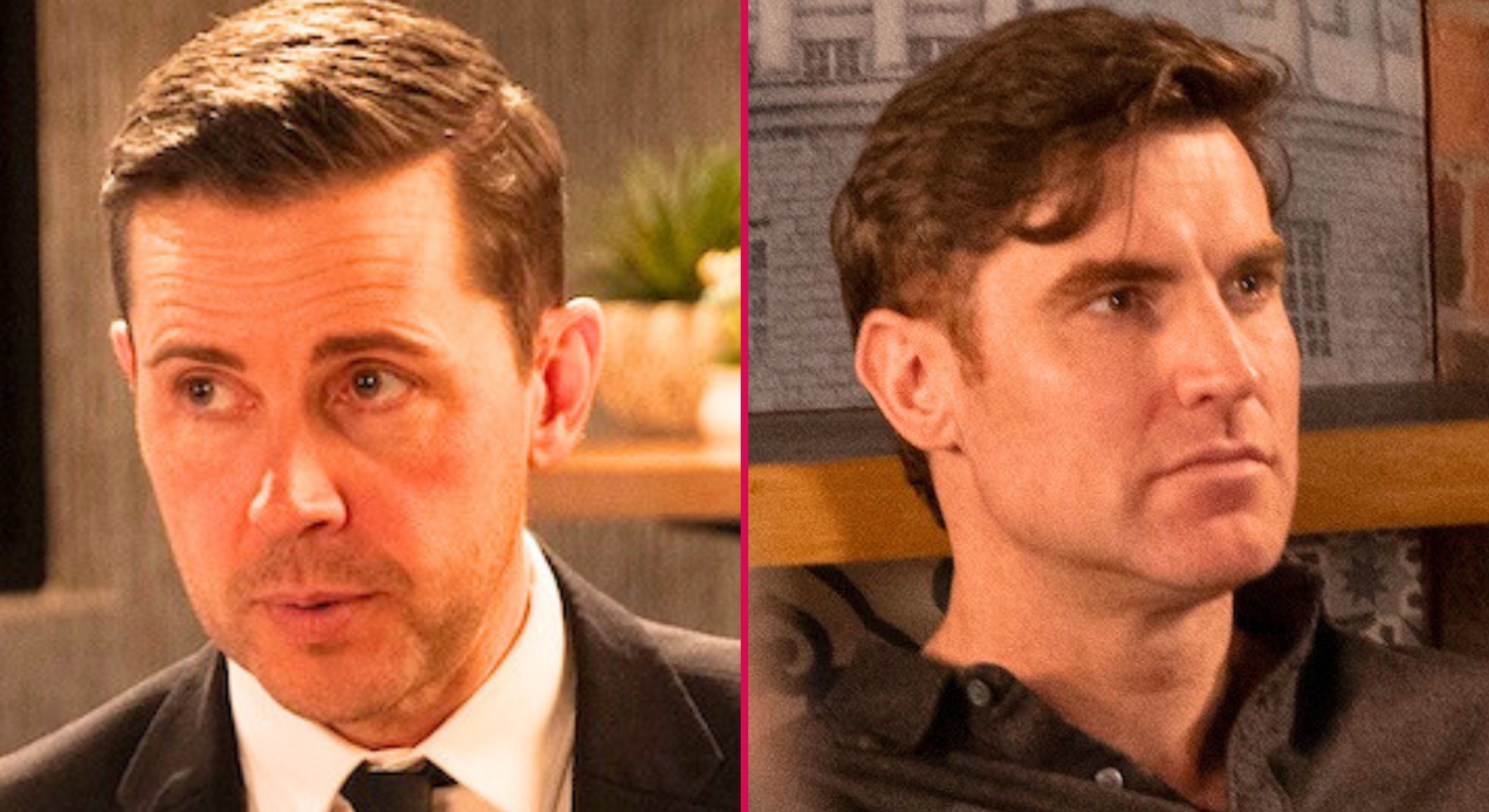
In tonight’s Coronation Street (Friday, April 10), Carl Webster leaves Summer Spellman with plenty to think about after dropping a huge hint regarding Theo and the circumstances surrounding Billy Mayhew’s death.
Summer presses Carl for answers after questioning him about Billy’s tragic death, which she has come to believe was caused by drunk driving. But instead of giving her the clarity she is looking for, Carl throws her off completely, telling her to ‘look closer to home.’ And as spoilers now reveal, she certainly does exactly that.
A seed was planted (Credit: ITV)
Don’t miss a single story! Add us as a Preferred Source in Google for all your entertainment news
It’s important to us that you never miss our articles when searching for stories! We have all the latest TV & Celebrity news to share with our community of loyal readers.
Click here and tick Entertainmentdaily.com to ensure you see stories from us first in Google Search.
Carl Webster steers Summer Spellman in a new direction in Coronation Street
Earlier this week, Summer was determined to uncover the truth about Billy’s death. She confronted Debbie, convinced Carl had been behind the crash and that Debbie was protecting him. As it turns out, she was right.
With Debbie still refusing to come clean, Summer took matters into her own hands tonight. She went straight to Carl, demanding answers.
But rather than admit he was the one behind the wheel during the Corriedale crash, Carl instead left her with a cryptic warning, telling her to ‘look closer to home.’
Viewers will remember that Carl previously overheard Theo confess to leaving Billy to die while alone with his coffin some time ago.
Since then, he has kept what he knows to himself. He’s held onto the secret until the moment felt right. Now, it seems he has chosen to let things unfold.
Support authors and subscribe to content
This is premium stuff. Subscribe to read the entire article.