
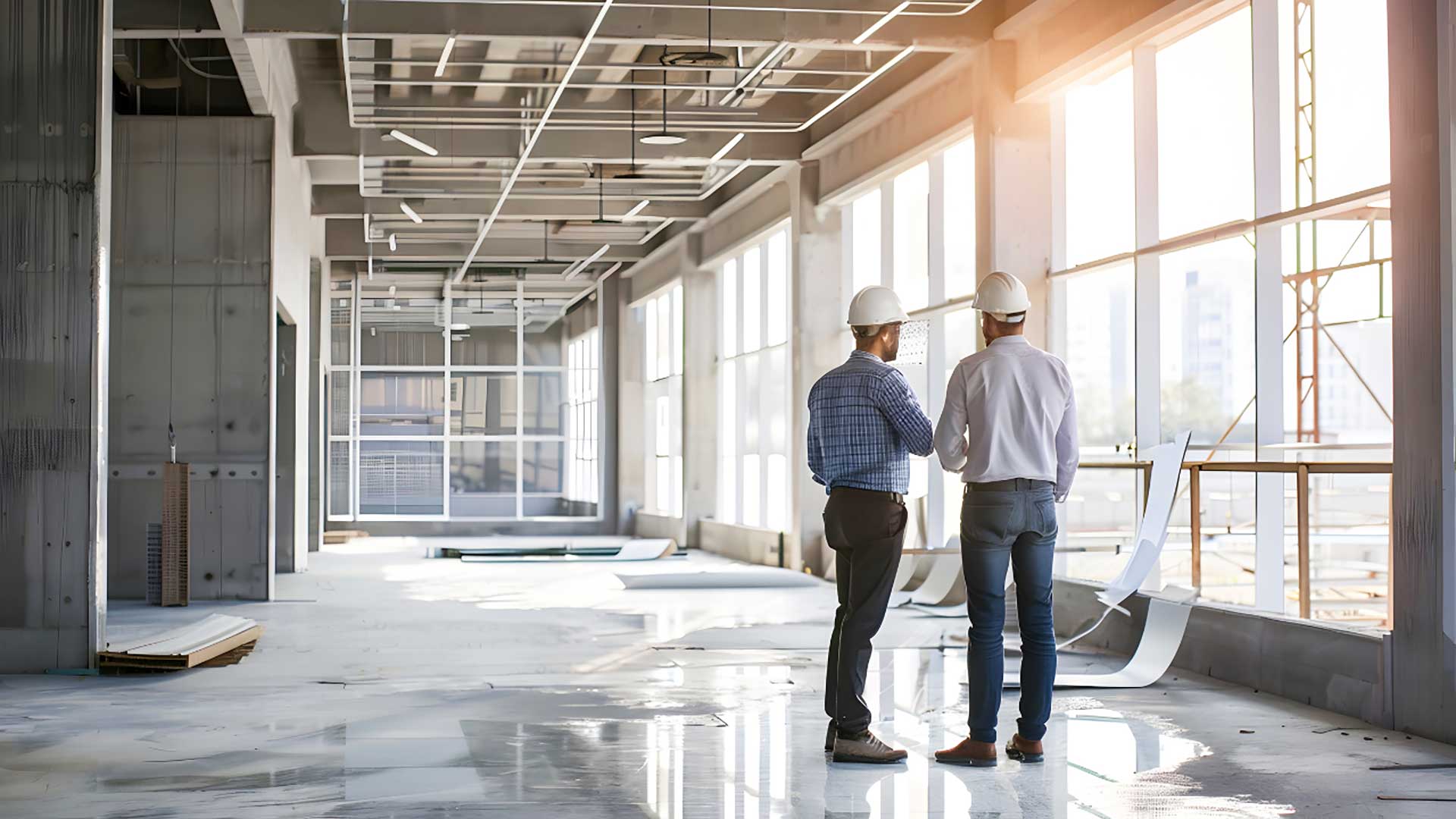
That gap tends to surface at the worst possible time: after the concrete is poured, after tenants have signed, sometimes after a building is fully leased and still waiting on a power connection it was told would be routine. The building is done. The site is not.
Ron Yeffet, a real estate developer who has managed projects across the United States, Israel, Europe, and Africa, along with work in energy supply and power plants, sees this pattern often enough that he treats energy capacity as a line item in early planning rather than a detail to confirm later. That order matters. A site that looks ready on paper can still be years away from the power it needs.
Why the Gap Forms
The gap forms because construction and energy infrastructure run on different clocks, and almost nobody is watching both at once.
Support authors and subscribe to content
This is premium stuff. Subscribe to read the entire article.