
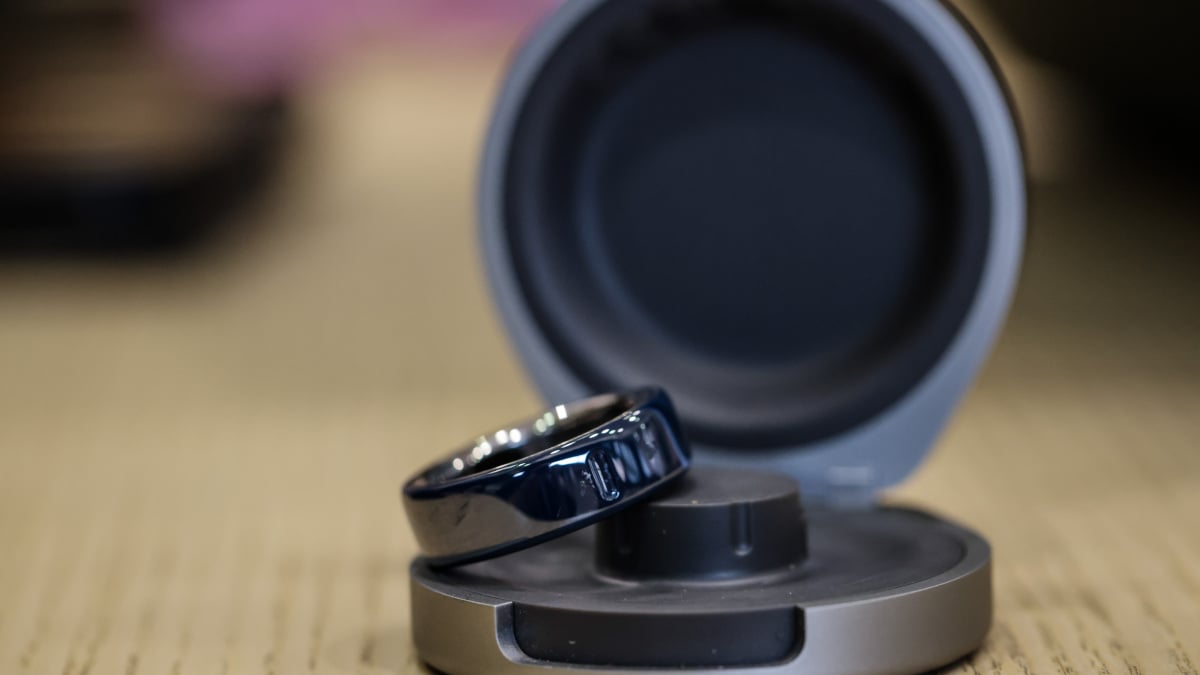
A class-action lawsuit filed in the Northern District of California alleges that the fitness tracker Oura Ring doesn’t actually track one’s sleep.
The complaint, filed on Aug. 20, states that Oura can’t measure brain electrical activity, eye movements, muscle tone, “and other signals measured through electrodes placed on the scalp, leads on the eyes, and sensors on the chin,” and because it doesn’t do this, it can’t track sleep or sleep cycles.
From Oura to Whoop, we tested the best sleep trackers of 2026
“Instead, Oura’s AI models are doing guesswork as to what may be happening,” it reads, “based on improper inputs, and thus taking advantage of desperate consumers who struggle with their sleep or are concerned for their health by selling faulty AI-based inference as reliable science.”
Support authors and subscribe to content
This is premium stuff. Subscribe to read the entire article.