

Chancellor Rachel Reeves delivered her Spring Statement to the House of Commons under the shadow of escalating conflict in the Middle East and mounting fears of a renewed inflation shock driven by surging energy prices.
In a speech lasting just over 20 minutes, Reeves stressed the importance of “stability in an increasingly uncertain world”, pointing to falling inflation and previous interest rate cuts as evidence that the cost-of-living squeeze on households is easing. However, beyond presenting updated forecasts from the Office for Budget Responsibility (OBR) and criticising opposition parties, she unveiled no new tax or spending measures.
The Chancellor has pledged to hold only one fiscal event each year, the autumn Budget, meaning the Spring Statement was positioned as a forecast update rather than a policy platform.
Growth downgraded for 2026
The OBR has revised down its forecast for UK economic growth in 2026 to 1.1 per cent, weaker than the 1.4 per cent predicted in November. Reeves insisted that the longer-term outlook remains resilient, with growth forecast to reach 1.6 per cent in both 2027 and 2028, slightly stronger than previously projected, before settling at 1.5 per cent in 2029 and 2030.
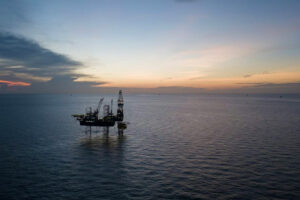
The downgrade comes amid soft domestic demand, geopolitical instability and renewed energy market volatility following military escalation in the Gulf region. Rising oil and gas prices threaten to complicate the inflation trajectory, particularly if disruption to global supply chains persists.
Support authors and subscribe to content
This is premium stuff. Subscribe to read the entire article.